Federal Rental Assistance Programs
More than a dozen federal programs help low-income renters afford a place to live. Some are tenant-based (the subsidy moves with you), some are project-based (tied to a building), and some are just tax credits that produce affordable units. Here's the full list.
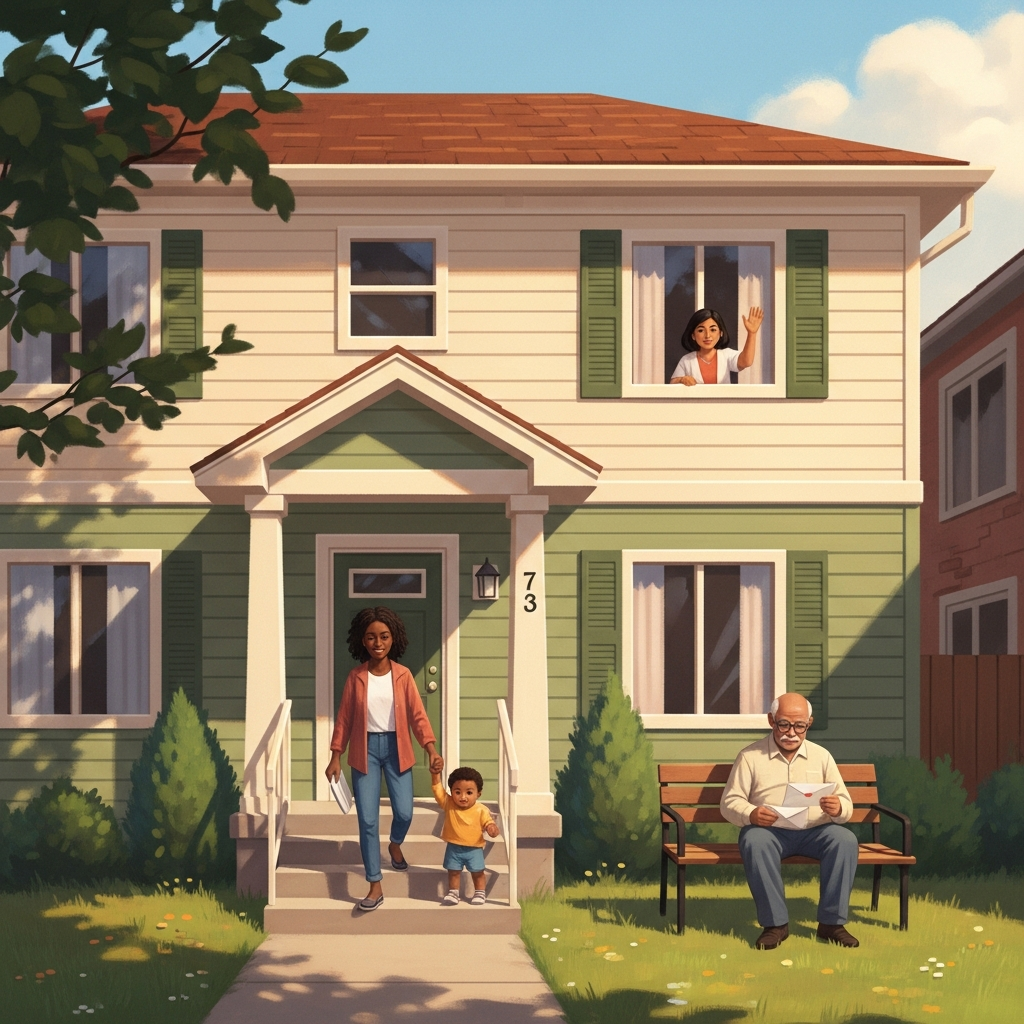
 Section 8 Housing Choice Voucher (HCV)
Tenant-based federal rental subsidy that lets eligible households rent privately-owned housing of their choice. The household pays roughly 30% of adjusted income toward rent, and the local PHA pays the difference up to a payment standard set near the area's Fair Market Rent.
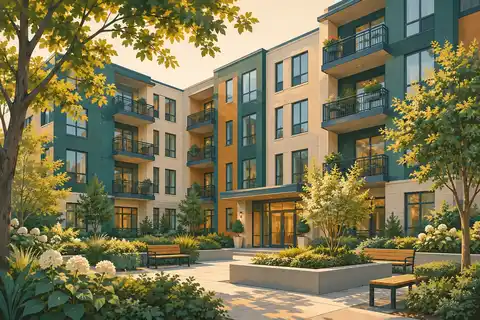 Public Housing
Government-owned rental housing operated by local PHAs. About 970,000 units nationwide. Households pay roughly 30% of adjusted income; the PHA owns and maintains the building.
 Project-Based Rental Assistance (PBRA)
Subsidy attached to a specific apartment building rather than the household. Tenants apply directly to the property, pay roughly 30% of income, and lose the subsidy if they move.
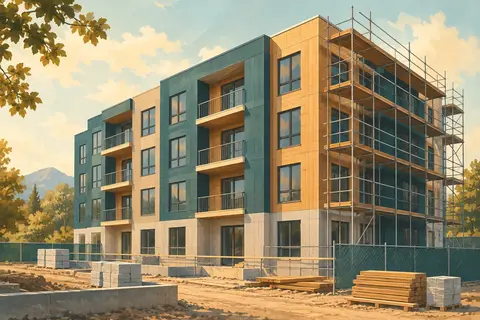 Low-Income Housing Tax Credit (LIHTC)
The largest source of new affordable rental housing in the U.S. Owners receive federal tax credits in exchange for capping rents and reserving units for households at or below 50–60% of Area Median Income. Rents are flat (not income-based).
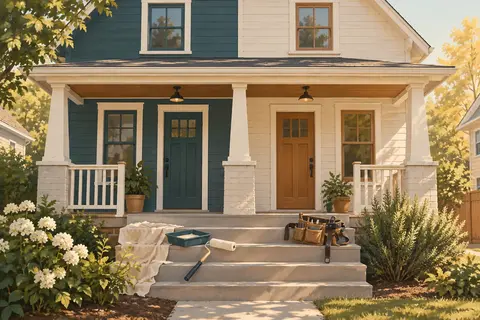 HOME Investment Partnerships Program
Federal block grant to state and local governments to fund affordable rental construction, rehabilitation, and tenant-based rental assistance. Programs vary by jurisdiction.
 USDA Rural Development Section 521
Rental assistance for tenants in USDA-financed (Section 515) rural rental properties. Households in eligible rural areas pay roughly 30% of income toward rent.
 Emergency Housing Vouchers (EHV)
Created by the American Rescue Plan Act (2021) to help households fleeing domestic violence, experiencing homelessness, or at imminent risk of homelessness. Functions like a Section 8 voucher with priority referral through a Continuum of Care.
 Continuum of Care (CoC)
HUD's primary homeless assistance program. Funds permanent supportive housing, rapid rehousing, and transitional housing through local Continuums of Care.
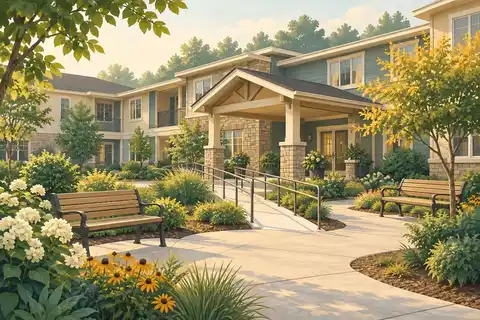 Section 202 Supportive Housing for the Elderly
Subsidized housing for very-low-income households where at least one member is 62+. Properties combine affordable rents with supportive services such as transportation and case management.
 Section 811 Supportive Housing for Persons with Disabilities
Affordable housing for very-low-income adults with disabilities. Includes both project-based units and tenant-based subsidies through state housing agencies.
 HUD-VASH (Veterans Affairs Supportive Housing)
Section 8 vouchers paired with VA case management for homeless veterans. Referrals come through the local VA Medical Center.
 Family Unification Program (FUP)
Section 8 vouchers for families where the lack of adequate housing is a primary factor in foster care placement, and for youth aging out of foster care between 18 and 24.
How to think about programs
Federal rental assistance is not one program — it's a layer cake. The biggest federal program by number of households served is the Section 8 Housing Choice Voucher (about 2.3 million households). The biggest by number of units produced is the Low-Income Housing Tax Credit (LIHTC, about 3.7 million units since 1986). Public Housing — the buildings most people picture when they hear "the projects" — is actually the smallest of the three, with around 970,000 units nationwide.
The right program for you depends on three questions: how much income you have (below 30%, 50%, or 80% of Area Median Income), what makes your situation specific (homeless, a veteran, a person with a disability, a family in the child welfare system, an older adult), and where you live (rural areas have USDA programs that urban areas don't, and high-cost states have state-funded supplements that low-cost states don't).
Start with the eligibility page to figure out which programs you qualify for, then read the program detail pages here to see exactly how to apply.